
![Supporters of the Reconstruction and Development Coalition drive through the streets and celebrate in Baghdad, Iraq, after the Reconstruction and Development Coalition headed by Prime Minister Mohammed Shia al-Sudani wins the most votes in general elections, according to unofficial results, on November 12, 2025. [Murtadha Al-Sudani - Anadolu Agency]](https://i0.wp.com/www.middleeastmonitor.com/wp-content/uploads/2025/11/AA-20251112-39693517-39693508-SUDANILED_COALITION_WINS_IRAQS_GENERAL_ELECTION_UNOFFICIAL_RESULTS_SHOW.jpg?fit=920%2C613&ssl=1)
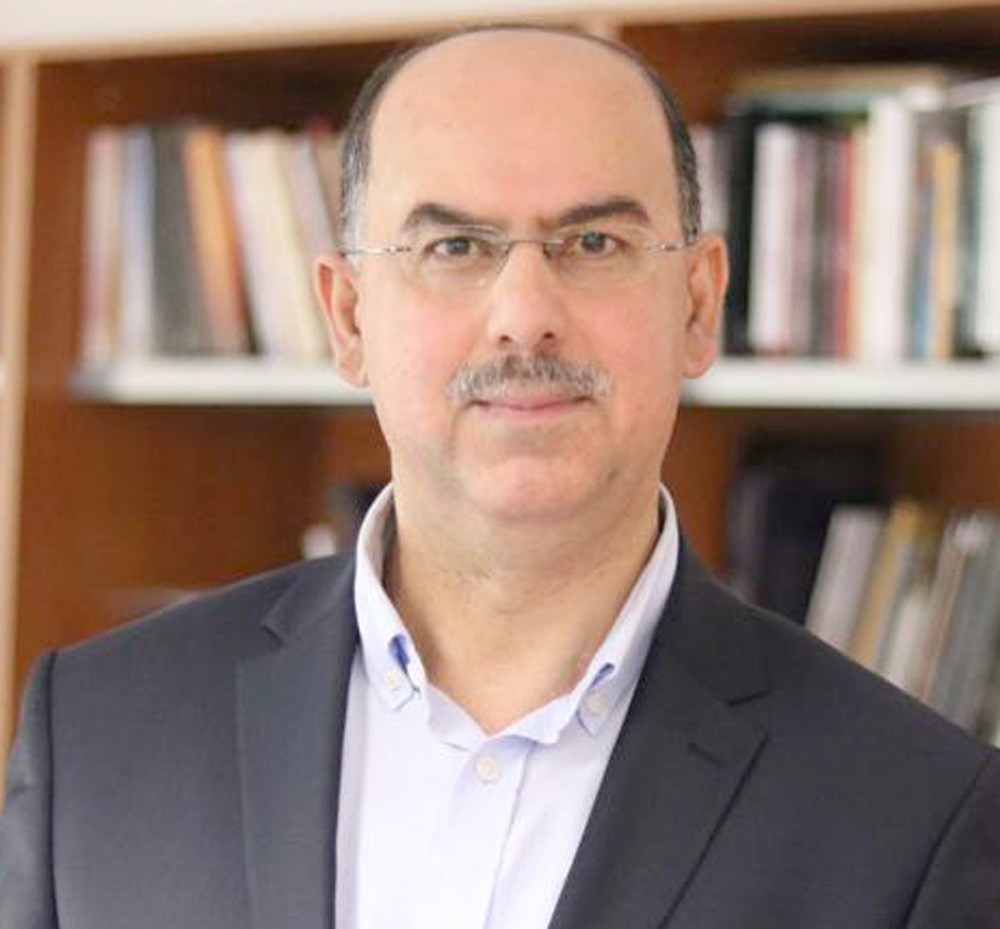
The Iraqi Prime Minister, Mohammed Shiaa Al-Sudani, chose Newsweek magazine to present himself as a model for a ‘future Iraq’, appearing on the cover of its latest issue shortly after the parliamentary elections. Paid media coverage like this is an old political trick, yet it has never produced results that genuinely benefit citizens anywhere. It is a staged illusion — written, photographed and polished — that does not transform Al-Sudani into a national politician, nor does it fulfil the promises he made to Iraqis. One cannot help but doubt whether Al-Sudani has the courage or honesty to reveal how much this political advertisement cost the taxpayer.
This is not the first political advertisement of its kind to present a figure as the solution to Iraq’s 22-year crisis, and it certainly won’t be the last. Iraq is living in a peculiar era unlike anything in its recent history. The political system has perpetuated sectarianism and corruption, draining the state and its citizens. Therefore, the recent elections will change nothing. The next government will not pave the way for national unity or reform. Iraqi politics today is not merely a contest between parties; it is a crisis of national identity, as the election results make painfully clear, despite the corruption and openly sold votes that tainted the process.
Regardless of their claimed loyalty, no party, bloc or political group can truly implement a national project. The political landscape in Iraq is designed to safeguard the narrow interests of the elite, rather than serve the state or its citizens. Every party claims to be nationalistic, yet at its core, it protects sectarian interests. Every political bloc promises reform, yet remains loyal to its funders rather than the country. Iraqi politics is not the art of the possible; it is the art of adapting to corruption.
The re-election of corrupt figures highlights a deep ethical dilemma within Iraqi society. Votes are bought, loyalties are sold and the concept of national identity is neglected. Cities such as Diwaniya, Muthanna, Nasiriyah, Maysan and Babil reveal the tragedy of the Iraqi citizen, who lives on the margins of basic services and human dignity while voting for people who steal their rights.
Iraqis keep electing the corrupt. Citizens trade political loyalty as though it were a commodity. Is this ignorance? Or submission? Or is it blind allegiance driven by sectarian emotions? Recent elections have redefined nationalism as a lost luxury amid the ongoing triumph of a ‘fake Iraq’ that continues to crush the real Iraq.
Electoral choices reveal a significant social flaw: a lack of awareness of the public interest and an increase in false loyalties over genuine nationalism. Today, Iraqi citizens choose between sectarianism and personal allegiances, rarely considering the state or its future.
In Nasiriyah, for example, voters re-elected a bloc notorious for corruption and neglect, despite the city suffering from electricity cuts, water shortages and the near-total collapse of health services. In Diwaniya, government budgets are depleted before they reach citizens, forcing the poor to sell their loyalty just to survive. All of this reflects the decay of national consciousness in favour of sectarian and local allegiances.
These examples are not isolated; they are repeated across almost all Iraqi provinces. Elections have become a mechanism for perpetuating corruption rather than fostering change. Iraq is a prime example of institutional dysfunction: elections do not produce effective governments, but instead entrench sectarianism and corruption. Iraqi democracy is built on deceptive foundations, rather than solid national principles.
READ: Iraq election commission says objections will not affect preliminary results
As Martin Wolf of the Financial Times observes, democracies are at risk of collapse when political emotions outweigh institutions. Iraq is a vivid example of this: fear and anger dominate politics, and elections are exploited to reinforce loyalties rather than build the state.
‘The stronger the emotions and the more contained the ambitions, the more likely the democratic system is to collapse into authoritarianism.’ — Martin Wolf
In fragile democracies, elections often perpetuate corrupt authority, turning citizens into part of the problem rather than the solution. Iraq is not unique in the region, but it starkly illustrates the consequences of the absence of both nationalism and accountability, where elections perpetuate corruption.
After 22 years of political failure and corruption, Iraq must reach what we call the ‘Zero Equation’: restoring the real Iraq and preventing the fake Iraq from continuing.
In ‘Fake Iraq’, militia-controlled decision-making and sectarian parties perpetuate corruption, and citizens repeatedly elect the corrupt.
Real Iraq, on the other hand, is characterised by citizens choosing representatives based on genuine nationalism, rejecting sectarian and local loyalties, and reclaiming the right to hold politicians accountable.
The critical question is how Iraq can reach the Zero Equation.
This will happen when Iraqis rediscover their true identity after more than two decades of a false identity being forced upon them.
It will happen when citizens free themselves from sectarian and local dictates, reinstating accountability as the standard by which politicians are judged.
In order to escape its current situation, Iraq must reach the Zero Equation: the state, its institutions and society must reflect real Iraq, not the fake version.
This is the greatest challenge after 22 years of failure — and the only chance to secure the nation’s future.
OPINION: The inspired Guardiola: A moral voice on Palestine
The views expressed in this article belong to the author and do not necessarily reflect the editorial policy of Middle East Monitor.
 Unless otherwise stated in the article above, this work by Middle East Monitor is licensed under a Creative Commons Attribution-NonCommercial-ShareAlike 4.0 International License. If the image(s) bear our credit, this license also applies to them. What does that mean? For other permissions, please contact us.
Spotted an error on this page? Let us know
Latest news
See all


