
![UN Secretary General's Special Representative for Libya Hanna Serwaa Tetteh attends the ADF2026 Talks within Antalya Diplomacy Forum, held under the theme of 'Mapping Tomorrow, Managing Uncertainties' in Antalya, Turkiye on April 17, 2026. [Osmancan Gürdoğan - Anadolu Agency]](https://i0.wp.com/www.middleeastmonitor.com/wp-content/uploads/2026/04/AA-20260417-41136560-41136551-ANTALYA_DIPLOMACY_FORUM_2026-1.jpg?fit=920%2C613&ssl=1)
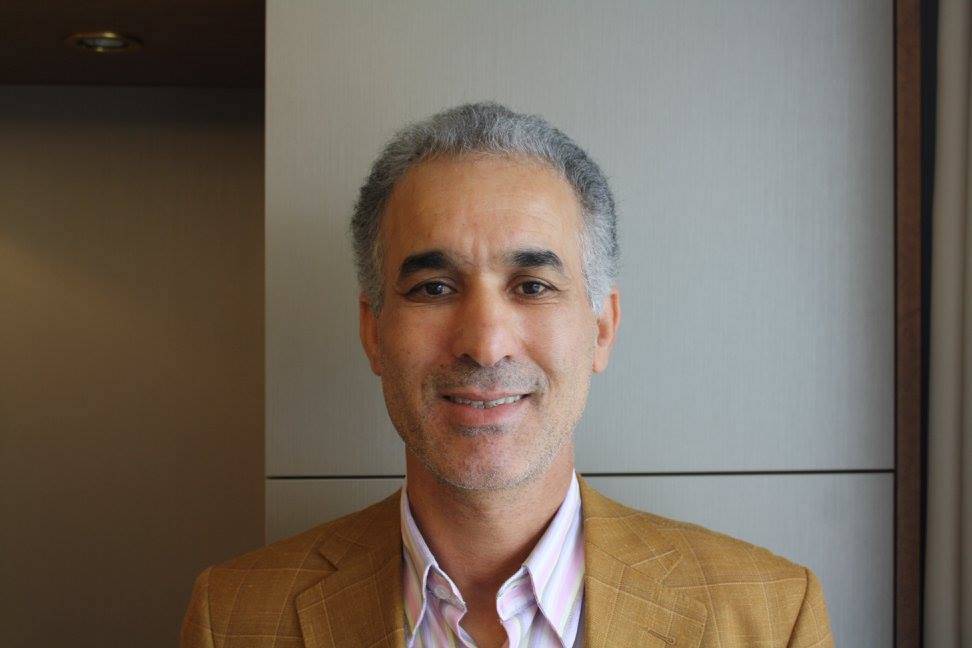
Following the conclusion of the United Nations-facilitated Structured Dialogue, the Special Representative of the Secretary-General and Head of UNSMIL, Hanna Tetteh, briefed the UN Security Council on the fragile state of play in Libya. Her briefing shed light on the UN’s latest efforts to revive a stalled political process, but it also highlighted an emerging geopolitical friction point: a competing, US-backed counter-push led by Donald Trump’s Middle East envoy, Massad Boulos. This American initiative is increasingly seen as a direct challenge—and direct competition—to UNSMIL’s long-term election roadmap.
According to the final report of the Structured Dialogue—which concluded on June 7, 2026, after six months of deliberations—the group of approximately 120 Libyans representing civil society and various interest groups produced nearly 600 recommendations. This sheer volume makes the outcome difficult to comprehend and incredibly time-consuming to tackle, regardless of whether a newly unified administration is established or the two current administrations remain in place. Furthermore, these recommendations are not binding to any party, including the UN mission itself—a condition set from the brining for the diamogiue group. They read more like a fully-fledged government manifesto than observation-based ideas designed to achieve the ultimate goal of advancing UNSMIL’s political roadmap, which Hanna Tetteh initially presented to the UN Security Council in August 2025.
Adding to the complexity is the timeline: the dialogue calls for a new, unified transitional government to act upon these sweeping mandates within a restricted period of no more than two years, raising serious doubts about the feasibility of implementing such an expansive agenda.
In stark contrast to the UN’s sprawling consensus-building, the United States has introduced a highly transactional, top-down alternative. The US plan which has been months in making ad yet to be officially announced is led by Donald Trump’s Middle East and Africa envoy, Massad Boulos, seeks to bypass the entire UN process including the complexities of the UN’s 600 recommendations by brokering a direct power-sharing agreement between Libya’s primary factions.
The Boulos roadmap reportedly aims to install Saddam Haftar at the head of an executive presidential council while retaining Abdulhamid Dbeibeh as prime minister in Tripoli with government portfolios shared among the two sides.
Washington’s primary motivation appears to be rapid stabilization to open the floodgates for American energy investments, specifically aiming to double Libyan oil production to three million barrels per day by 2030 alongside giants like Chevron and ConocoPhillips.
READ: Libya’s rival leaders agree roadmap for presidential, parliamentary elections by February 2027
The problem with the widely circulated Boulos initiative, yet still unofficial initiative, is twofold: First, it is intentionally vague about when such an arrangement might actually conclude with presidential and legislative elections—the most elusive goal of all attempted settlements so far. Second, it lacks clear guarantees that it will secure the necessary approval to gain legitimacy from both the Libyan legislature and the UN Security Council. The Libyan file has been a fixture at the UN for the last fifteen years, and any new initiative or roadmap must gain the Council’s approval. There, member states like Russia hold veto power to block anything they dislike, and the simple fact that this initiative is US-drafted could be enough to see it killed.
Since both domestic and international endorsements are absolute prerequisites, the plan risks triggering a profound legitimacy crisis before it even starts.
Having said that, the Boulos and Tetteh initiatives appear to fundamentally contradict each other. While the UN envoy seeks a bottom-up process through various mechanisms—including the recently concluded Structured Dialogue—that will hopefully produce a Libyan-owned path toward full national elections, the Boulos initiative seeks to impose a top-down, one-size-fits-all plan legitimizing the status quo while offering no guarantees, as previously discussed. A week ago, both tracks appeared to be on a collision course, but just yesterday, June 23, Tetteh appeared to strike a more conciliatory tone. Instead of directly criticizing the Boulos plan, she indicated that she welcomes any effort as long as it gains consensus and succeeds in unifying Libyan institutions. However, she firmly denied having any direct involvement in the meetings and discussions regarding the American roadmap. To lobby Libyan factions and regional countries for support, Massad Boulos has organized undisclosed meetings in Rome and Paris over the last few months. While there is no confirmed, openly supportive regional position on the Boulos framework, key players like Egypt and Turkey appear to be going along with it for now.
Both the UN and US initiatives, however, fundamentally risk exacerbating the very crisis they claim to solve.
The UN’s roadmap threatens to trap the country in yet another open-ended transitional phase, essentially repeating the failures of the Skhirat and Geneva agreements by deferring the critical constitutional debate once again. Conversely, the Boulos plan risks institutionalizing the country’s division by rewarding the elites who have leveraged armed factions and state resources to maintain their grip on power. A forced marriage of convenience between the Dbeibeh and Haftar camps suffers from a profound trust deficit. Any arrangement that parachutes a Haftar into the presidential council while leaving western militias intact is highly likely to trigger a violent preemptive backlash rather than a sustainable peace, leaving Libyans caught between an unworkable UN manifesto and a deeply flawed US business deal.
Ultimately, Libya finds itself at a perilous crossroads, caught between the unwieldy idealism of the UN’s bottom-up roadmap and the transactional pragmatism of the US initiative.
Without a genuine effort to resolve the underlying constitutional division that continues to fracture the state, both roadmaps risk becoming little more than temporary bandages over deep institutional wounds.
For most Libyans, eager for some order in their lives as they struggle to make ends meet, true stability cannot be brokered through open-ended transitional phases or top-down power-sharing deals that simply reward the status quo. The majority are already exhausted after the relentless wrangling of the last 12 years, stretching back to 2014 when they cast the ballots that led to the current East-West division. To them, a sustainable resolution demands a binding, legitimate settlement that prioritizes a unified constitutional framework and Libyan sovereignty over international economic expediency. Until these competing visions reconcile with the actual needs of the people, the promise of national elections will remain a mirage, leaving the country deeply vulnerable to permanent fragmentation.
OPINION: The West Wing takeover: Replacing Libyan democracy with transactionalism
The views expressed in this article belong to the author and do not necessarily reflect the editorial policy of Middle East Monitor.
 Unless otherwise stated in the article above, this work by Middle East Monitor is licensed under a Creative Commons Attribution-NonCommercial-ShareAlike 4.0 International License. If the image(s) bear our credit, this license also applies to them. What does that mean? For other permissions, please contact us.
Spotted an error on this page? Let us know
Latest news
See all


