

![Former Egyptian interior minister Habib Al-Adly attends his trial on the charges of corruption in Cairo, Egypt on 19 April 2016 [Stringer/Apaimages]](https://i0.wp.com/www.middleeastmonitor.com/wp-content/uploads/2017/12/2016_4-19-Habib-al-Adly-190416_STR_00-5.jpg?fit=920%2C613&ssl=1)
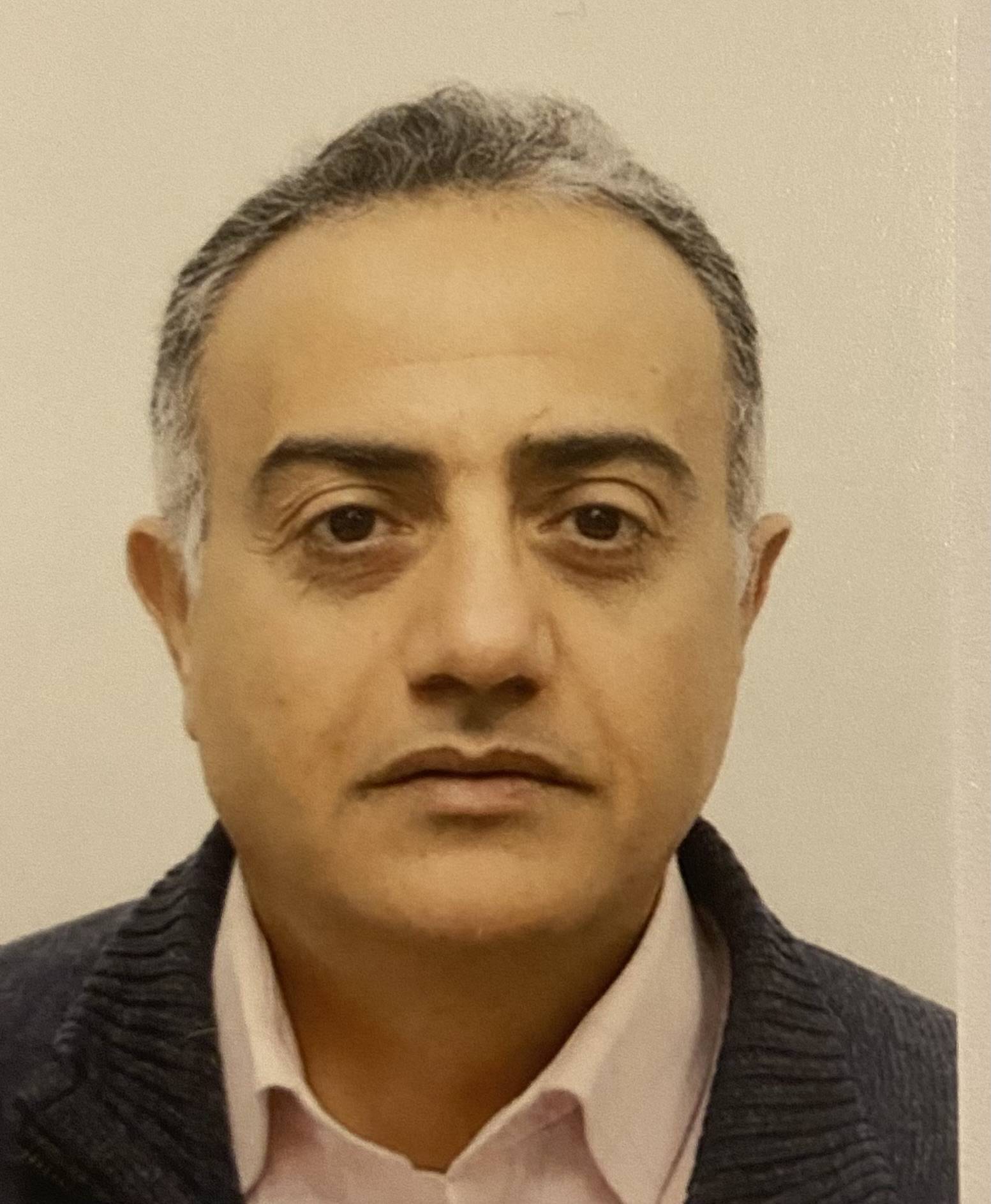
UK and Egyptian security officials, including powerful General Habib Al-Adli, were engaged in tense high-level discussions during the mid-1990s about how to combat Egyptian Islamic extremists in London, British documents reveal
Records from the UK Prime Minister’s Office show that while Egyptian officials publicly criticised the UK for hosting foreign extremists, General Al-Adli , Egypt’s Head of State Security Service –changed to National Security Service after 2011 revolution, failed to provide concrete evidence or intelligence about their alleged terror-related activities against Egypt.
Documents— obtained by MEMO from the British National Archives —also reveal that Al-Adli himself privately participated in a counter-terrorism training programme in London.


In June 1995, then-Egyptian President Hosni Mubarak narrowly escaped an assassination attempt by Islamic extremists in Addis Ababa, Ethiopia. Although British security services assisted Egyptian authorities in tracing the source of the weapons used in the attack, the Egyptian state-controlled media launched a campaign against the UK for allegedly offering refuge to Egyptian Islamic extremists, according to the documents.
In a report on bilateral relations, the Foreign and Commonwealth Office (FCO) described the presence of Egyptian extremists in the UK—some of whom had claimed asylum—as “a major bilateral irritant” for the relationship with Egypt. The report noted that “Egyptian sensitivities” had been heightened by the assassination attempt on Mubarak.
The British embassy in Cairo also reported increased Egyptian concerns about the activities of Egyptian extremists abroad, including in the UK.
Egyptian authorities compiled a list of Islamists they claimed were active in the UK and threatening Egypt’s security. The list included Hani Al-Sibaii and Yasser Al-Sirri, whom Egypt persistently demanded the UK extradite. Al-Sibaii was a member of the Egyptian Islamic Jihad, while Al-Sirri had been sentenced to death in absentia for the attempted assassination of the Egyptian Prime Minister in 1993. Al-Sirri had applied for political asylum in the UK. According to the documents, the UK Home Office requested further details from Egypt about Al-Sirri’s trial.
Several British reports from June acknowledged that the presence of foreign extremists in the UK was causing problems with countries such as Egypt. The reports conceded that these individuals were “taking advantage” of British liberal traditions. While UK officials sought to reassure their Egyptian counterparts that such dissidents were not welcome, the reports also stressed that the government was “constrained by international and UK law,” especially regarding individuals who had applied for asylum.
READ: Egypt warns peace treaty with Israel could collapse over Gaza war
One report, prepared ahead of a visit by Dr Osama Al-Baz, Presidential Advisor to Mubarak, recommended that UK officials repeat their request for Egyptian cooperation on “specific cases, including Al-Sirri’s.”
Another report suggested that British officials should challenge Egypt’s approach to extremism by emphasising the importance of political inclusion. It warned that the exclusion of moderate Islamist opposition groups was pushing individuals into illegal channels. The report recommended Egypt should allow “more political space for legal opposition parties” to “draw support away from Islamists.”
A third report confirmed that UK authorities were “being as open as possible with the Egyptians” and encouraging them to provide information requested by the Home Office, while also explaining the UK’s legal constraints.
Despite this, General Al-Adli later expressed skepticism about the UK’s ability to effectively monitor Egyptian extremists. In a tense meeting with Macpherson, the British embassy’s Counsellor for Regional Affairs, Al-Adli asked whether Al-Sirri could be extradited if his asylum application were rejected. Macpherson declined to speculate, noting that without a formal extradition treaty between the UK and Egypt, any decision would be made on a case-by-case basis.
According to Macpherson’s report, he urged Al-Adli to provide any relevant evidence, including of terrorist-related activity in the UK, to support British action. With Al-Sirri’s asylum case expected to be heard within a few months, Macpherson emphasised that the British decision would be based solely on the information available at the time. He reiterated that the UK lacked concrete evidence of terrorist-related activity by Egyptians in the country.
Although Al-Adli remained skeptical about the usefulness of sharing information with the Brits, he instructed his staff to cooperate. However, the only material provided was a set of “UK telephone numbers” linked to Al-Sibaii and another individual, Shahata—name previously flagged by Egyptian State Security as an active extremist in UK.
The meeting also addressed Al-Adli’s upcoming visit to London, during which he would attend a counter-terrorism training and receive a legal briefing on the UK’s political asylum rules. Al-Adli inquired about UK efforts to monitoring Egyptian dissents, and Macpherson assured him that Islamic extremist activity in London was being “closely watched” within the limits of UK law.
When asked about the military trial of Muslim Brotherhood members, Al-Adli said the aim was to speed up proceedings but confirmed that the accused would have the same rights as in civilian courts. He added that charges included organising the dispatch of fighters to Bosnia for military training, with the intent of returning to Egypt to carry out terrorist acts.
In November, the Egyptian Embassy in Islamabad was bombed in a suicide car attack. The Egyptian Islamic Jihad claimed responsibility.
Days later, Mubarak publicly criticized both the UK and Germany, saying, in an interview with the French Le Monde, he could not understand how they could allow terrorists to seek refuge on their soil. This triggered a renewed media campaign in Egypt against the UK.
The UK responded privately. Prime Minister John Major expressed his desire for close cooperation and mutual understanding. “I hope your people will keep in the closest possible touch with ours,” he wrote to Mubarak, asking Egypt to provide as much information as possible about “unacceptable extremist activity” in London. He assured that British officials “will work as closely with the Egyptian counterparts as they can”.
Internal discussions among 10 Downing Street, the FCO, and the Home Office focused on how to reassure Mubarak that the UK was doing all it could. The following guidelines were agreed upon:
- The UK is already doing a great deal to help Egypt monitor Egyptian dissidents in London.
- All actions must remain within UK domestic and international legal obligations.
- Egypt must provide evidence of UK lawbreaking for any action to be taken.
- Egyptian media attacks on the UK are counterproductive.
- Public criticism hinders monitoring efforts and could strengthen asylum claims.
- Extremists should not be given the “oxygen of publicity.”
UK officials, including the Prime Minister, were advised to refer to the case of Dr Mohammad Al-Mass’ari—a Saudi dissident who challenged the UK in court—as an example of how deportation efforts can backfire and be “a publicity gift” for the dissidents.
By late 1996, Major was informed that cooperation between UK and Egyptian intelligence agencies had improved, and that counter-terrorism training for Egypt’s Ministry of Interior staff “was going well”. A follow-up report indicated the programme had cost the UK around £250,000.
In January 1997, Major told Mubarak that Al-Adli’s London visit had been useful. In a message delivered by Sir John Coles, then Permanent Under-Secretary at the FCO, Major reaffirmed that the UK would “work closely with your security authorities, sharing information.” However, he emphasized that legal action required solid evidence: “Allegations in the press will not satisfy our courts,” he noted, adding that unconstructive media criticism “will get us nowhere.”
BLOG: Documents reveal Gorbachev’s frank advice to Saddam Hussain during Kuwait occupation
The views expressed in this article belong to the author and do not necessarily reflect the editorial policy of Middle East Monitor.
 Unless otherwise stated in the article above, this work by Middle East Monitor is licensed under a Creative Commons Attribution-NonCommercial-ShareAlike 4.0 International License. If the image(s) bear our credit, this license also applies to them. What does that mean? For other permissions, please contact us.
Spotted an error on this page? Let us know
Latest news
See all


