
![The flags of Indonesia (L) and Israel (R) displayed together [AI generated image]](https://i0.wp.com/www.middleeastmonitor.com/wp-content/uploads/2025/06/ChatGPT-Image-Jun-11-2025-01_29_52-PM-1.png?fit=920%2C613&ssl=1)
Macaronis Resort sits on a small island in the Mentawai Islands, off Sumatra, Indonesia, famous among surfers for its powerful wave. In late August 2026, it became the subject of a different kind of attention when claims spread on Indonesian social media that it was secretly owned by a man linked to Israel.
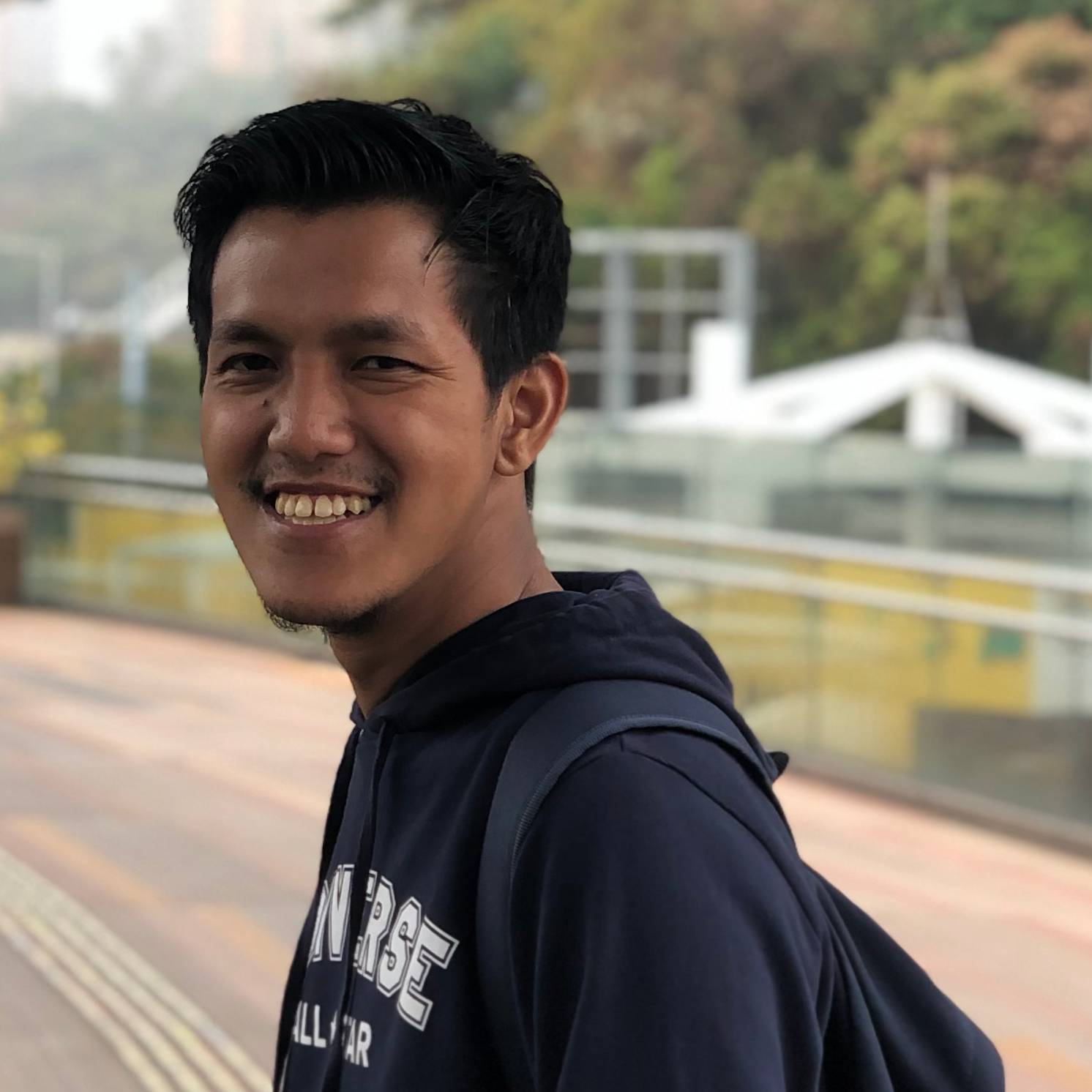
The man at the centre is Natan Baril, a Brazilian lawyer and businessman who founded and runs his own law firm, Baril Advogados. He has also held leadership roles in a Brazilian Jewish business association, and was formerly president of a Jewish community fund in Curitiba tied to a group that raises money for projects in Israel. He is Jewish and follows official Israeli accounts, including Netanyahu, the State of Israel, and the IDF, and has posted photos of himself with public figures including Israeli President Isaac Herzog — details that help explain why the allegation gained traction as Israel’s genocide on Gaza has made Israeli connections highly sensitive across Indonesia and the wider Muslim world.
The concern was first raised by an account called gazaupdate, which pointed to Baril’s Instagram bio listing the Macaronis Resort account, his repeated visits, and the resort’s own posts tagging him. The resort had previously described him in a post as a lawyer from Brazil and a Macaronis Resort owner.
Indonesian authorities examined the claim. West Sumatra’s investment office checked the records of PT Internusa Bahagia, which operates the resort, and said Baril’s name does not appear as owner, shareholder or manager. Mentawai officials said he is a regular guest visiting three or four times a year to surf, and reporting on the company’s records identifies foreign investment, including a shareholder from Namibia. That evidence matters — but it doesn’t necessarily answer every question about his relationship with the resort.
Baril has addressed the controversy himself. He says he is Brazilian, not Israeli, and rejects the idea that his religion implies a government role. He says he is not a director or legal owner, though he has acknowledged a personal agreement with one of its registered shareholders, which he says gives him regular, privileged access as a guest.
That leaves an obvious question: what exactly does that agreement contain?
Baril called himself the owner — in writing, over time. His Instagram bio described him as “Owner of @macaronisresort” as a standing public description alongside his genuine professional roles. This was not a stranger guessing at his relationship with the resort; it was Baril himself using the word, and a lawyer would understand that ownership is a meaningful description to present publicly. Perhaps he used “owner” loosely — but his account of the word emerged only after the description became controversial. That doesn’t prove he legally owned the resort, but it’s reasonable to ask why he described himself that way.
OPINION: The Israel ties Indonesia’s Bogor Agricultural University once had
The private agreement matters more. Baril has not denied a financial or personal relationship with a shareholder; he has confirmed one exists, but its full terms are not public. Without them, it’s impossible to say whether the arrangement is a hospitality benefit or gives him access to income, profits or other financial benefits. A person’s name need not appear on a shareholder list to benefit from a business — private arrangements can separate the person on the documents from the person who profits. That doesn’t prove such a structure exists here, but it means the shareholder list alone cannot settle who benefits.
West Sumatra’s governor has also said around 90 percent of Mentawai resorts are financed with foreign money but registered under local names, to get around Indonesia’s restrictions on foreign ownership.
That doesn’t prove this resort works the same way, but it’s relevant when weighing how much a clean company record can tell us.
Baril’s behaviour adds another piece. An ordinary tourist can become a loyal customer at a world-famous surf destination, but Baril appears repeatedly in the resort’s own social media, returns several times a year, has been publicly described by it as an owner, and acknowledges a special agreement with a shareholder. Together, these suggest a relationship closer than an ordinary guest’s — again, not proof of ownership, just reason to ask further questions.
The timing of the restructuring also deserves attention. PT Internusa Bahagia’s shareholder and management structure was changed in December 2025 and ratified in January 2026, months before the controversy went public. This doesn’t prove concealment — businesses restructure for legitimate reasons — but a major change shortly before public scrutiny is worth examining, not dismissed.
The Israel dimension helps explain why the controversy resonated so strongly in a country where opposition to Israel is widespread. But social-media follows and photos alone cannot establish a government, military or financial relationship. The evidence instead raises a narrower, unresolved question about Baril’s relationship with the resort itself.
Official records do not establish that Baril is a shareholder or legal owner of PT Internusa Bahagia — authorities have said as much. But the resort’s own past description of him as an owner, his repeated presence there, his admitted private agreement with a shareholder, and the company’s recent restructuring leave questions a registry search cannot answer alone.
The responsible conclusion is not that Baril definitely owns Macaronis Resort, nor that the controversy is simply an internet rumour. The questions are straightforward: Why did he publicly call himself the owner? What does his agreement with the shareholder actually provide? Does he receive money, profits or other benefits from the resort? And why was the ownership structure changed in late 2025 and early 2026?
Transparency could answer these. If Baril’s relationship is purely that of a privileged guest, the agreement can show that; if he has a financial interest, the public deserves to know its nature.
The Israel allegation shouldn’t obscure the basic issue: whether the ownership records tell the whole story of who financially benefits from Macaronis Resort. Until that question is answered, the case is not fully closed.
OPINION: If Indonesia really supports Palestine, it needs to do something about its pro-Israel politicians
The views expressed in this article belong to the author and do not necessarily reflect the editorial policy of Middle East Monitor.
 Unless otherwise stated in the article above, this work by Middle East Monitor is licensed under a Creative Commons Attribution-NonCommercial-ShareAlike 4.0 International License. If the image(s) bear our credit, this license also applies to them. What does that mean? For other permissions, please contact us.
Spotted an error on this page? Let us know
Latest news
See all


